



WD-M300 Smart Detection Walk-Through Metal Detector
- 发布日期:2026-05-14
- 访问量:1132 次
- 产品特性
Product Features
l Display Function: Equipped with a ≥7‑inch LCD touch screen. It can display alarm type, alarm position, number of passing persons, number of alarmed persons and other information. Device parameters can be adjusted via remote control or touch screen.
l Anti‑interference Function: It features strong anti‑interference performance and is applicable to installation sites with heavy metal interference. For example, multiple detectors can be installed side‑by‑side with an interval of about 50 cm.
l Alarm Performance: The detector can still give an alarm for mobile phones with earpieces and microphones removed.
l Types of Alarm Objects: The detection gate can display the types of alarm objects, with no less than 2 categories of contraband identifiable. For example, it indicates mobile‑phone, watch or key‑type articles when such items are carried; it indicates knife, gun or metal‑tube‑type articles when knives or guns are detected.
l Daily‑metal Rejection: No alarm will be triggered for daily metal articles including keys, belt buckles, glasses, necklaces, metal stationery and mechanical watches.
l Detection Technology: Adopts the principle of electromagnetic induction and intelligent‑AI judgment, together with digital signal processing technology. The detection unit and data acquisition card form a signal conditioning and filtering unit to collect and perform frequency‑selective amplification for specific weak analog signals.
l Fast Detection Speed: Detection takes only 1‑2 seconds; throughput ≥40 persons per minute.
l Detection Accuracy: There is no blind zone over the top‑head area of human body. For test subjects with height difference of more than 4 cm, the detection accuracy shall be above 90 % when smartphones are hidden inside hats. It suppresses interference from magnets and magnetic belt buckles, and can detect mobile phones hidden under belts or on inner thighs.
l Detection System: The control module shall reserve peripheral interfaces for gate linkage triggered by mobile‑phone alarms. (Optional) If a mobile phone is detected, the swing gate keeps closed to deny passage; if no mobile phone is detected, passage is allowed.
Basic Parameter Indicators
Model
WD-M300
Passage Speed
1M/S~2M/S
Power Consumption
<40W
Frequency Bands
1~40 pcs
Total Weight
Approx. 70kg
Operating Ambient Temperature
-20℃ ~ +45℃
External Power Supply
220V-50/60Hz
Inner Aisle Dimension
≥700(W) mm
Overall External Dimension
≥2230(H) × 835(W) × 700(D) mm
Notes: H stands for Height, W for Width, D for Depth.
Daily-use Article & Contraband Detection Mode
The detection gate can reject daily metal items carried by persons under inspection, such as mechanical watches, belt buckles and keychains. It triggers audible‑visual alarm to notify whether electronic products such as mobile phones are being carried. There is no requirement on mobile‑phone screen size for detection; it is not limited to detecting mobile phones with 4‑inch or larger screens.
In addition to detecting mobile phones and other daily articles, this mode can detect most contraband including controlled guns, controlled knives, switchblades, machetes, tin cans, aluminum cans, iron and aluminum tubes and cans which may be filled with steel grit or steel nails, belt‑mounted bombs, vest‑type bombs and so on. It will activate audible‑visual alarm and indicate the category of alarm‑triggering objects.
Three Detection Modes (Optional Selection)
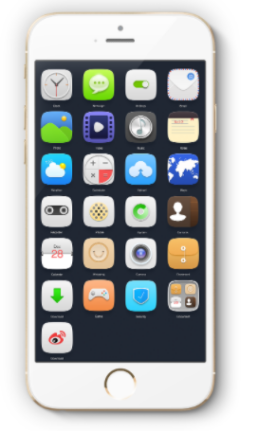
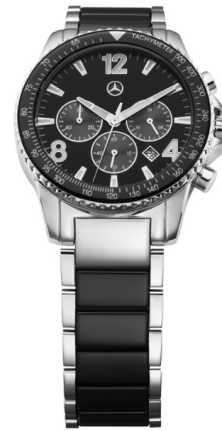
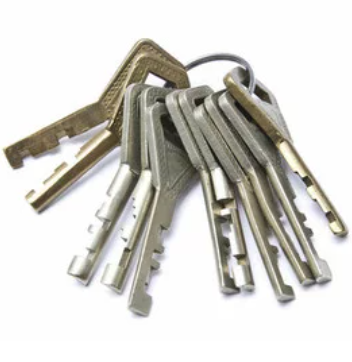
Mode 1: Daily Supplies Mode (Detection targets: mobile phones, watches, keys and related digital electronic products)
Mode 2: Contraband Detection Mode (Detection targets: controlled knives and firearms, metal tubes, metal steel pipes, etc.)


Mode 3: Custom Mode Under this mode, items are divided into 9 major categories: utility knives & firearms, stainless steel cups, steel pipes, aluminum blocks, copper blocks & gold bars, aluminum cans & pop cans, electronic products, watches, belts, large stainless steel pieces. Users can customize alarm settings based on different customers, inspection environments, and key target item categories to decide whether to trigger alarms for each category.

